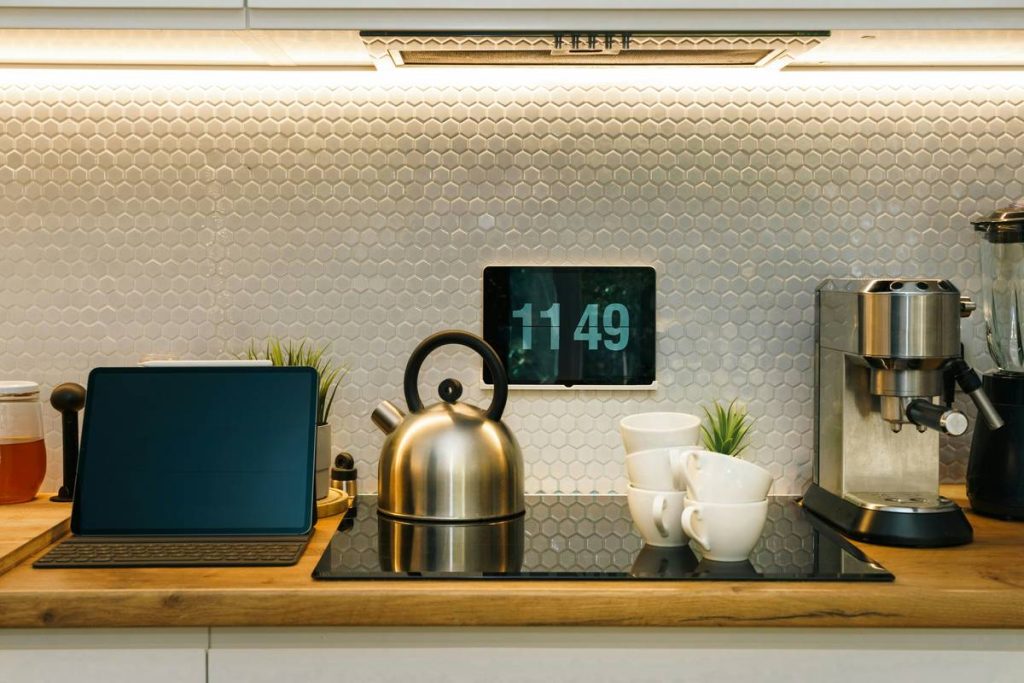
Your smart home feels… fragmented. Lights talk to thermostats—but your recliner? Silent. You bought “smart” furniture, yet it’s just another dumb object in a sea of connected gadgets. The promise of ambient intelligence collapses when your ottoman doesn’t know you’ve sat down. Here’s the fix: the IoT furniture link isn’t about adding sensors—it’s about strategic interoperability.
Why Most Smart Furniture Fails at Real Connectivity
Manufacturers slap Bluetooth or Zigbee onto chairs and call it “smart.” But without standardized protocols or edge processing, these pieces become isolated data islands. And worse—they drain batteries waiting for commands that never come.
Think about it: your couch detects occupancy, but can’t signal your blinds to close. That’s not intelligence. It’s decoration with a power adapter.
Building a Reliable IoT Furniture Link: A Practitioner’s Blueprint
Forget plug-and-pray setups. True integration demands three layers: hardware compatibility, middleware orchestration, and user-triggered automation logic.
Select Protocols That Don’t Quarrel
Z-Wave and Matter coexist peacefully. Bluetooth LE? Only if you’re okay with phone proximity as a crutch. Avoid proprietary RF systems—they’re walled gardens disguised as convenience.
Embed Intelligence at the Edge
Local processing prevents latency. A pressure sensor in your desk shouldn’t ping the cloud to dim lights—it should trigger directly via Thread or Wi-Fi HaLow. The math is simple: less hop = faster response.
Map User Behavior, Not Just Device States
Smart furniture shines when it anticipates. Desk rises → monitor brightness adjusts. Sofa detects lounging posture → activates ambient audio. This requires cross-device rules engines like Node-RED or Home Assistant blueprints—not Alexa routines.
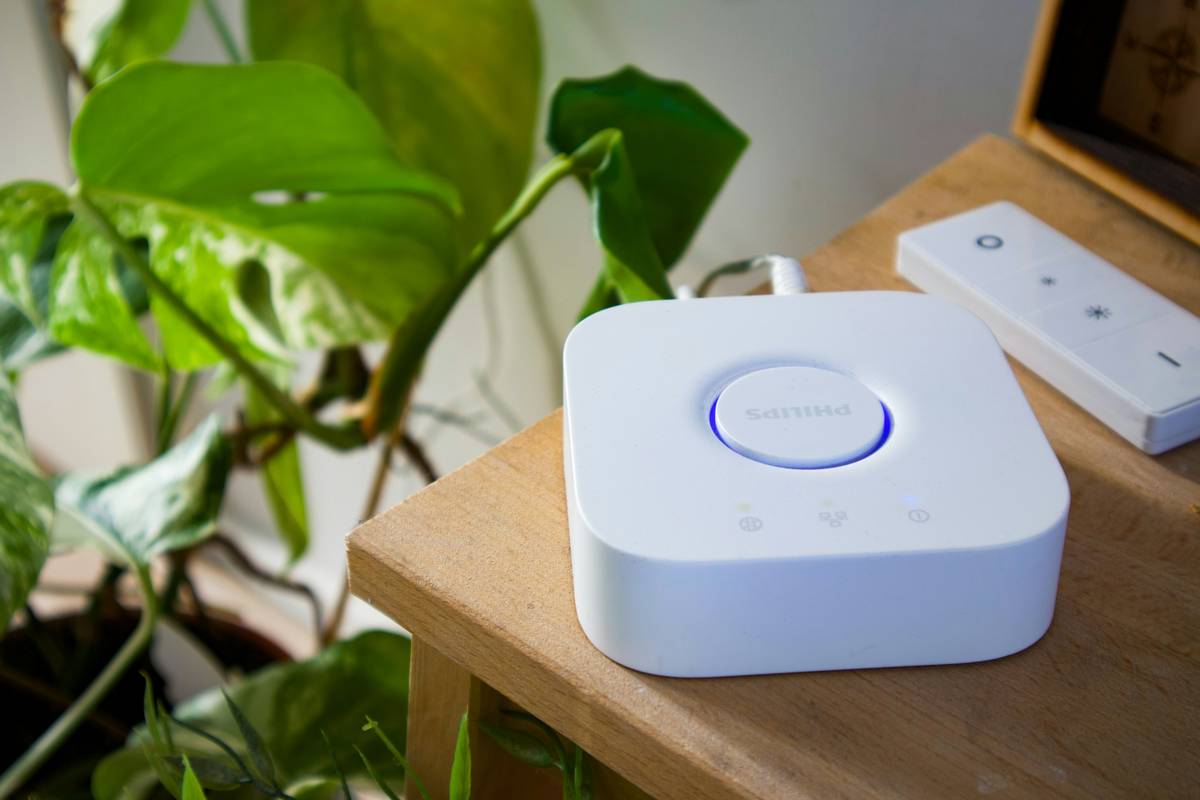
| Integration Method | Latency | Battery Life Impact | Cross-Brand Support |
|---|---|---|---|
| Proprietary App Ecosystem | High (1.5–3s) | Severe | Poor |
| Zigbee + Hub | Medium (0.4–0.8s) | Moderate | Good |
| Matter over Thread | Low (<0.3s) | Minimal | Excellent |
| Bluetooth LE Direct | Variable (0.2–2s) | High (phone-dependent) | Fair |
The Industry Secret: Furniture OEMs Are Sitting on Behavioral Goldmines
Here’s what no press release mentions: leading furniture brands quietly collect anonymized usage telemetry—how often you recline, preferred sitting angles, duration of use—and sell aggregated insights to HVAC and lighting companies. Why? Because posture data predicts thermal comfort better than ambient temperature sensors. Your sofa knows you’re chilly before your thermostat does. But this data stays locked unless you force local API access via custom firmware (yes, some IKEA desks support ESP32 mods). The real power isn’t in buying “smart” furniture—it’s in making your existing pieces speak the language of action.
Frequently Asked Questions
Can I retrofit old furniture into an IoT furniture link?
Yes. Embedding $12 ESP32-S3 modules with load cells or IR proximity sensors lets vintage pieces join Matter networks via DIY gateways.
Does IoT furniture link work without the cloud?
Absolutely—if you use Thread or Zigbee with a local hub. Cloud dependence introduces lag and privacy risks most users overlook.
Which brands actually support true IoT furniture link interoperability?
Only those certified under Matter 1.2+ with embedded Thread radios—like certain Steelcase and Sobro models. Avoid anything requiring brand-exclusive apps.