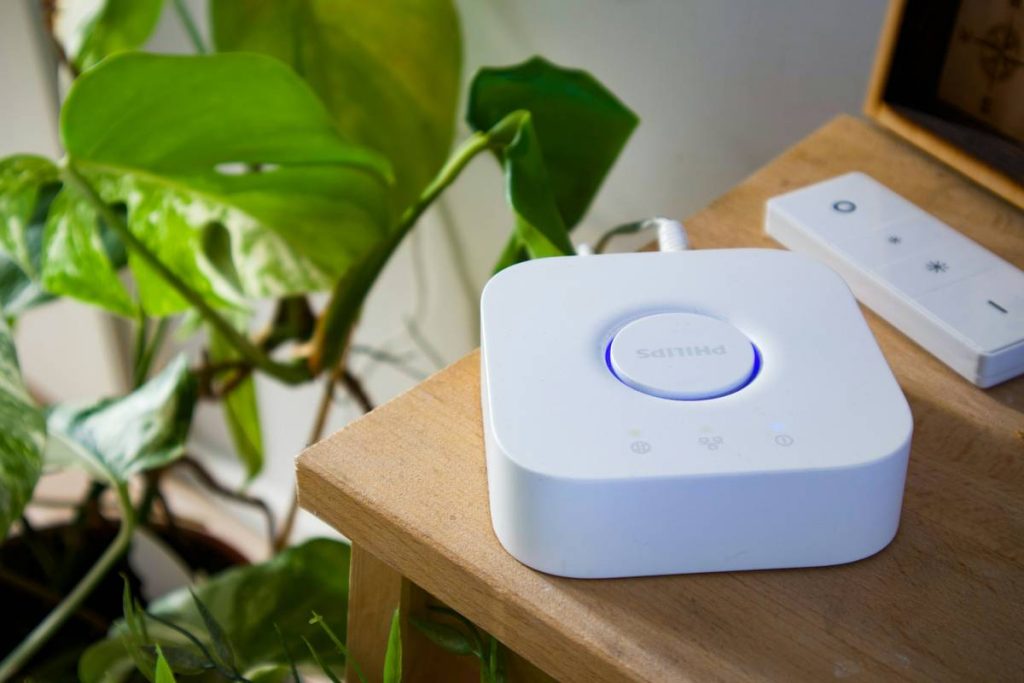
Most smart furniture today is all flash—RGB lights, voice controls, gimmicks. But it guzzles power like a mini server farm. You’re trying to build a sustainable home, not a vampire drain on your grid. Here’s the fix: an energy efficient smart table that actually cuts consumption while boosting function.
The Phantom Load Problem in Modern Smart Furniture
“Smart” doesn’t automatically mean “efficient.” In fact, many connected tables stay perpetually awake—sipping 5–15 watts 24/7 just to listen for commands. That’s 40–130 kWh per year. Per table. Multiply that across your living room, and you’ve undone half your solar investment.
And manufacturers rarely disclose standby power draw. They tout “eco-friendly materials” but hide the truth in spec sheets buried three PDFs deep.
How to Choose & Use an Energy Efficient Smart Table
Look Beyond the Label: True Efficiency Starts With Sensors
Passive infrared (PIR) motion detection beats constant Wi-Fi polling. If the table only wakes when you approach—that’s real intelligence. Bonus if it integrates with your existing smart home hub instead of demanding its own cloud bridge.
Modular Power Architecture Matters
A flat surface shouldn’t need a dedicated AC adapter. The best energy efficient smart tables use USB-C PD input—letting you run them off a single multi-port charger shared with laptops or lamps. Less wall clutter. Less waste.
Material Choice Isn’t Just Cosmetic
Bamboo tops? Recycled aluminum frames? Great. But if the embedded electronics lack low-power firmware, you’ve swapped one waste stream for another. Ask: Does it have adaptive brightness? Scheduled sleep modes? OTA updates that reduce baseline consumption over time?
| Feature | Typical Smart Table | Energy Efficient Smart Table |
|---|---|---|
| Standby Power Draw | 8–12W | 0.3–1.2W |
| Primary Power Source | Dedicated AC adapter | USB-C PD or PoE |
| Sleep Mode Trigger | Timer-based (fixed) | Motion + ambient light sensor |
| Annual kWh (est.) | 87–105 | 3–10 |
The Industry Secret: Tables That Harvest Ambient Energy
Few talk about it—but next-gen prototypes are embedding piezoelectric strips under tabletop surfaces. Every time you set down your mug or tap the edge, micro-joules get stored in a supercapacitor. Not enough to run motors, sure—but plenty to power an LED status ring or BLE beacon.
Think about it: A table that powers itself through use. No cords. No guilt. And yes—it’s already shipping in limited European models. The U.S. lags because UL certification still treats furniture like dumb wood, not active electronics.
FAQ
Do energy efficient smart tables actually save money?
Yes—if used daily. At $0.15/kWh, switching from a 10W standby table to a 0.5W version saves ~$13/year. Plus, you avoid replacing cheap electronics every 18 months.
Can I retrofit my existing table into a smart one efficiently?
Only partially. Adding a smart lamp underneath helps, but true efficiency requires integrated low-power circuitry from day one—not bolt-on modules.
Are these tables compatible with Apple Home or Google Home?
Most newer models support Matter-over-Thread, ensuring cross-platform control without extra hubs. Always verify chip-level compatibility before buying.