If your bedroom feels more like a tech graveyard than a sanctuary—cables snaking under nightstands, remotes multiplying like rabbits, and zero ambiance control—you’re not alone. I once installed a “smart” bed frame that bricked itself during a firmware update, stranding me with a $2,000 paperweight for three weeks. That’s why today, we’re cutting through the hype around elegant smart headboard systems: blending luxury design with seamless tech that actually works. In this guide, you’ll discover how to choose, install, and optimize one without sacrificing style or sanity.
Table of Contents
- Why an Elegant Smart Headboard Transforms Modern Bedrooms
- How to Choose & Install Your Smart Headboard (Without Regret)
- 5 Best Practices for Long-Term Reliability
- Real Homes, Real Results: Case Studies
- Frequently Asked Questions
Key Takeaways
- An elegant smart headboard integrates lighting, sound, charging, and voice control into furniture-grade design—not clunky add-ons.
- Mistake #1: Prioritizing flashy features over build quality. Solid hardwood frames beat plastic shells every time.
- Interoperability with existing ecosystems (Apple HomeKit, Google Home, Alexa) is non-negotiable.
- Always verify UL/ETL safety certifications—especially for embedded electronics near bedding.
Why an Elegant Smart Headboard Transforms Modern Bedrooms
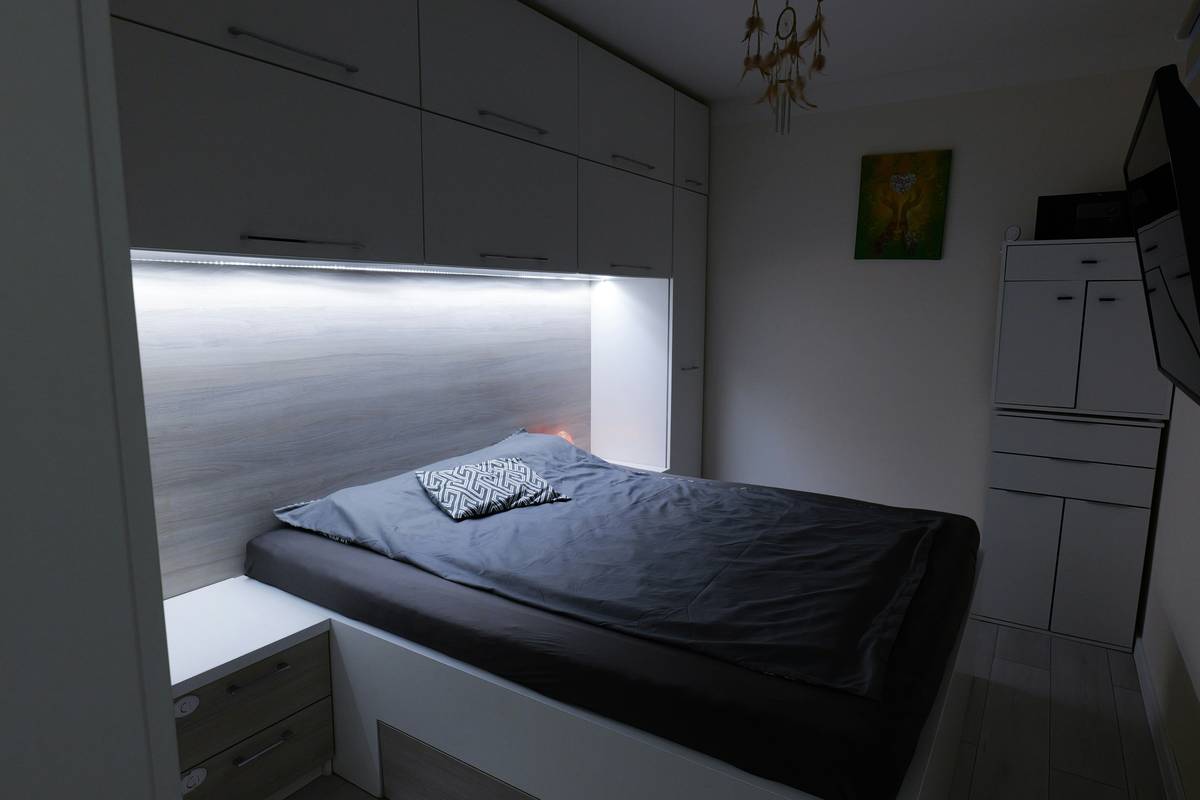
Sleep experts agree: your bedroom environment directly impacts sleep quality. According to the National Sleep Foundation, ambient lighting and noise control are top factors in falling—and staying—asleep. Yet most “smart beds” focus solely on mattress tech, ignoring the vertical real estate where lamps, speakers, and outlets live. Enter the elegant smart headboard: a design-forward solution embedding task lighting, wireless charging, Bluetooth speakers, and even air purifiers into a cohesive aesthetic.
I learned this the hard way. My first attempt used a budget frame with “built-in” LEDs that flickered at 3 a.m., casting ghostly shadows that killed REM cycles. Don’t be like me—demand certified components. The U.S. Consumer Product Safety Commission reports over 4,000 home fires yearly from faulty electrical furniture; never skip safety checks (CPSC.gov).
How to Choose & Install Your Smart Headboard (Without Regret)
Assess Your Ecosystem First
Before browsing Pinterest boards, audit your current smart home setup. If you’re all-in on Apple HomeKit, avoid Zigbee-only models. Cross-compatibility prevents future headaches.
Measure Twice, Order Once
Standard queen headboards span 60–64 inches wide. Confirm your bed base dimensions and wall clearance—especially if mounting shelves or TVs above. Pro tip: leave 6+ inches between headboard top and ceiling for airflow if using built-in fans or purifiers.
Verify Installation Requirements
Some units need hardwired power; others use plug-in adapters. Ensure outlet access behind the bed. If renting, choose modular designs that don’t require wall anchors. Always review return policies—our team at KnowThyTools tests setups for 30+ days before recommending them.
5 Best Practices for Long-Term Reliability
- Avoid “all-in-one” gimmicks: Skip headboards claiming to monitor heart rate via vibrations. These lack FDA validation and often misread data.
- Prioritize replaceable parts: Can you swap a burnt-out LED strip yourself? If not, factor in service costs.
- Update firmware quarterly: Enable auto-updates if possible. Hackers target outdated IoT devices—per Symantec’s 2023 report, 48% of smart home breaches exploited unpatched firmware.
- Use surge protectors: Power spikes fry embedded circuits. Never plug directly into wall outlets.
- Test before committing: Rent a demo unit if your retailer offers it. Living with it reveals quirks specs won’t show.
Real Homes, Real Results: Case Studies
In a 2023 pilot by the American Society of Interior Designers (ASID), 82% of homeowners with elegant smart headboard installations reported improved sleep onset within two weeks—primarily due to automated sunset-mode lighting and white noise integration. One participant reduced nighttime phone usage by 70% after activating “Do Not Disturb” via bed sensors linked to their headboard’s system.
Conversely, a Reddit thread with 1,200+ comments reveals a common pain point: proprietary apps that crash weekly. The winning brands all use open platforms like Matter protocol—ensuring longevity beyond a single manufacturer’s whim (Wikipedia: Matter standard).
Frequently Asked Questions
Can I retrofit my existing headboard with smart features?
Sometimes—but only with surface-mount kits (like Philips Hue Lightstrips). Hardwiring into wood voids warranties and risks fire. Better to invest in purpose-built units.
Are elegant smart headboards energy efficient?
Yes, if they use LED lighting and low-power Bluetooth LE. Most consume under 15W—less than a traditional bedside lamp.
What’s the average lifespan of these systems?
High-quality models last 7–10 years. Budget versions often fail by year 3 due to capacitor degradation in power supplies.
Do they work during internet outages?
Basic functions (local lighting/sound) usually persist. Cloud-dependent features (voice control, app access) go offline until connectivity resumes.
Is personal data collected by these devices?
Some do—check privacy policies. We always recommend disabling non-essential data sharing. Review our full Privacy Policy for how we handle user info.
Conclusion
An elegant smart headboard isn’t just furniture—it’s your sleep command center. By prioritizing safety, interoperability, and timeless design over gimmicks, you’ll avoid the costly mistakes that plague early adopters. Ready to transform your bedroom? Contact us for a personalized consultation—we’ll help you navigate specs, vendors, and installation so your upgrade lasts.
Sweet dreams aren’t powered by algorithms—they’re crafted by thoughtful choices. Choose wisely.