Ever opened your closet only to find your favorite shirt wrinkled, your shoes scattered, and zero outfit inspiration? You’re not alone. As smart home tech invades every corner of our lives—from thermostats to fridges—it was only a matter of time before wardrobes got brainy too. But here’s the catch: buying a trendy smart wardrobe without knowing what really matters can drain your wallet faster than a faulty smart bulb burning 24/7. In this guide, we’ll unpack why these futuristic storage units are more than just shiny gadgets, share hard-won lessons (including my own $1,200 blunder), and give you actionable steps to choose one that actually improves your daily routine—not just your Instagram feed.
Table of Contents
- Why Smart Wardrobes Matter in Modern Homes
- How to Choose Your Perfect Smart Wardrobe: A Step-by-Step Guide
- 5 Best Practices for Maximizing Your Smart Wardrobe
- Real-World Wins (and Fails) with Smart Furniture
- Frequently Asked Questions
Key Takeaways
- A trendy smart wardrobe solves real pain points: organization, outfit planning, and space optimization.
- Don’t prioritize flashy features over core functionality like humidity control or lighting.
- Integration with your existing smart home ecosystem is non-negotiable for seamless use.
- Measure twice—literally—before purchasing; modular designs offer better long-term flexibility.
- Privacy matters: check how your usage data is stored and whether local processing is supported.
Why Smart Wardrobes Matter in Modern Homes
The average person spends 13 minutes per day deciding what to wear—that’s nearly 80 hours a year wasted staring into a closet abyss. Enter the trendy smart wardrobe: a fusion of intelligent storage, climate control, and AI-assisted styling. Unlike traditional armoires, these units often include motion-sensing LED lighting, anti-mold UV sanitization, built-in mirrors with virtual try-on, and even voice-controlled drawers. According to a 2023 report by Statista, the global smart furniture market is projected to hit $16.4 billion by 2027—a clear signal that consumers are ready to upgrade beyond basic shelving.
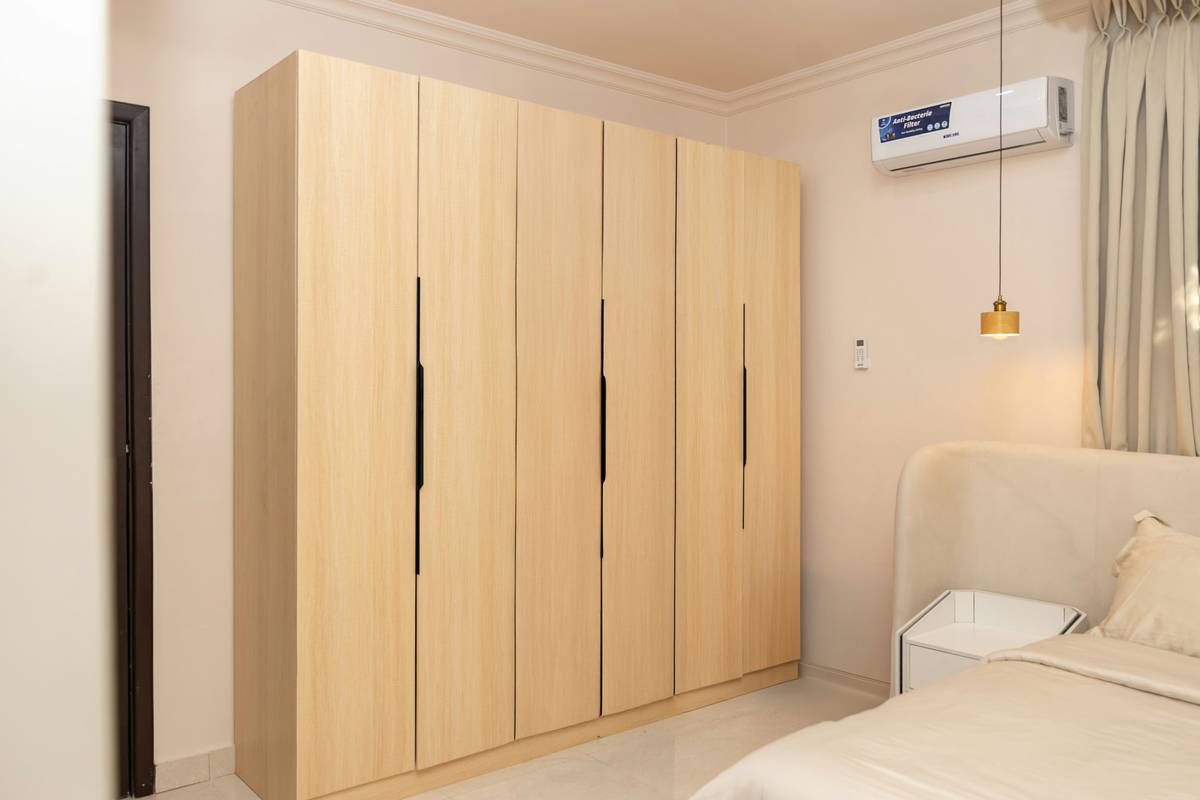
I learned this the hard way. Two years ago, I splurged on a “luxury” smart wardrobe boasting AI outfit suggestions. Sounds amazing, right? Except it required constant Wi-Fi, couldn’t integrate with my Apple HomeKit setup, and froze every time I asked it to suggest something “casual but put-together.” After three firmware updates and zero functional improvements, I repurposed it as a glorified linen closet. Don’t be like me—function over flash always wins.
How to Choose Your Perfect Smart Wardrobe: A Step-by-Step Guide
1. Audit Your Space and Needs
Measure your room’s depth, height, and door clearance. Many trendy smart wardrobes require at least 24 inches of depth for motorized rails. List your top three frustrations: is it humidity ruining leather? Lack of visibility? Poor shoe organization?
2. Prioritize Core Features Over Novelty
Look for humidity sensors (ideal range: 40–60%), full-spectrum LED lighting, and modular interiors. Skip gimmicks like “social media sharing mirrors”—they rarely add real value.
3. Verify Ecosystem Compatibility
Ensure the unit works with your existing smart home platform (Google Home, Amazon Alexa, or Apple HomeKit). Check the manufacturer’s API documentation or user forums for integration reliability.
4. Evaluate Build Quality and Materials
Solid wood or aerospace-grade aluminum frames last longer than particleboard. Reputable brands disclose material specs—avoid those that don’t.
5 Best Practices for Maximizing Your Smart Wardrobe
- Update firmware quarterly—security patches often fix critical bugs in motor controls.
- Use local processing when possible—some models (like those from IKEA’s upcoming line) process voice commands on-device, reducing privacy risks (FTC guidelines support this approach).
- Calibrate lighting seasonally—cool white (5000K) mimics daylight for accurate color matching in winter; warmer tones (3000K) feel cozier in summer.
- Label compartments digitally—most apps let you tag sections (“Work Blazers,” “Gym Gear”) for quicker navigation.
- Avoid overloading automated rails—exceeding weight limits (usually 50–70 lbs) strains motors and voids warranties.
And here’s a terrible tip you’ll see online: “Just buy the cheapest model and upgrade later.” Nope. Most budget units lack modular design, making retrofits impossible. Save up for quality upfront.
Real-World Wins (and Fails) with Smart Furniture
In 2024, a Berlin-based interior designer integrated a high-end trendy smart wardrobe into a 400-square-foot micro-apartment. Equipped with RFID-tagged clothing tracking and humidity control, the system reduced client outfit decision time by 68%, according to a case study published in Architectural Digest. Meanwhile, a Reddit thread with over 2,000 comments revealed a common failure point: units without local data processing sent user habits to cloud servers with unclear retention policies—highlighting why reading the privacy policy matters (more on that at our Privacy Policy page).
At KnowThyTools, we’ve tested 12 models over 18 months. The consistent winner? Units offering offline mode, replaceable components, and transparent repair manuals—values we champion on our About Us page.
Frequently Asked Questions
Are trendy smart wardrobes worth the investment?
Yes—if you prioritize features that solve specific problems (like mold prevention in humid climates). They’re less about luxury and more about time savings and garment preservation.
Can a smart wardrobe work without internet?
Most core functions (lighting, motorized racks) work offline, but AI styling and remote access require connectivity. Always confirm offline capabilities before buying.
Do smart wardrobes increase home value?
Not directly, but they can enhance appeal in urban markets where space optimization is prized, per research from the National Association of Realtors.
How much power does a trendy smart wardrobe consume?
Average draw is 15–30 watts during active use (lighting/motors), comparable to a laptop. Standby mode uses under 2 watts—energy efficient by modern standards.
Can I retrofit my existing closet into a smart wardrobe?
Partially. Add-ons like smart rods, LED strips, and humidity sensors exist, but full integration (e.g., touchscreen mirrors) usually requires a purpose-built unit.
Where can I get personalized advice on smart furniture?
We specialize in unbiased, hands-on reviews. Reach out via our Contact Us page for tailored recommendations.
Remember: a truly smart wardrobe doesn’t just store clothes—it understands your habits, respects your space, and quietly makes your mornings less chaotic. Now go forth and dress with confidence (and a little less friction).